Navigating the USCIS Green Card Application: Your Guide to Spouse-Based Immigration
Navigate the USCIS green card application process for spouse-based immigration with our detailed guide. Learn steps, timelines, visa requirements, and more!

Estimated reading time: 7 minutes
Key Takeaways
- The USCIS green card application process can be complex but is crucial for family reunification.
- There are specific steps involved for both Adjustment of Status and Consular Processing.
- Proving the authenticity of your marriage is essential to avoiding common challenges.
- Understanding the documentation required is key to a smooth application process.
- Seeking legal advice can provide guidance in navigating the immigration landscape.
Table of contents
- Overview of the USCIS Green Card Process
- Family-Based Immigration
- Immigration Visa Categories
- Immigration Visa Requirements
- Guidance for Legal Help and Next Steps
- Conclusion
- Frequently Asked Questions
The USCIS green card application process can feel overwhelming, especially for those seeking spouse-based immigration. This guide aims to simplify the steps involved in obtaining a green card through marriage, focusing specifically on spouse-based cases and adjustment of status. We outline essential details about the process and provide resources for professional legal help to ensure you are well-equipped to navigate this significant journey.
For more details on tracking your application, see our guide on understanding your USCIS process status.
Overview of the USCIS Green Card Process
The USCIS green card process for spouse-based cases represents a structured pathway towards lawful permanent residency for foreign nationals married to U.S. citizens or green card holders. This process is pivotal for family reunification, enabling loved ones to live together in the U.S.
Step-by-Step Overview of the Process
- Filing the Initial Petition (Form I-130):
The U.S. citizen or green card holder files Form I-130, known as the Petition for Alien Relative, to kickstart the process. - Adjustment of Status vs. Consular Processing:
Adjustment of Status: For those already in the U.S. who apply to change their immigration status without leaving the country.
Consular Processing: For foreign spouses residing outside the U.S. who must apply through a U.S. embassy or consulate. - Important Timelines:
The process typically takes between 10 to 24 months, depending on various factors, including:
- Form I-130 processing time: Approximately 14.5 months (source).
- Form I-485 processing time: Typically takes 8 to 10 months, varying by local USCIS field office (source).
- National Visa Center processing time: Takes approximately 1 to 2 months for consular cases.
For additional official immigration law resources, please visit: here.
The overall timeline allows room for concurrent filings, notably for U.S. citizens' spouses, which can expedite processing.
Family-Based Immigration
Family-based immigration is a fundamental aspect of U.S. immigration law. It permits U.S. citizens and green card holders to sponsor qualifying family members, including spouses. This pathway ensures that families can reunite and thrive together in the United States. For a more in-depth look at keeping your family united through immigration, see our comprehensive guide here.
Eligibility Criteria for Spouse-Based Green Cards
To qualify for a spouse-based green card, several specific criteria must be met:
- The petitioner must be a U.S. citizen or a green card holder.
- The marriage must be legally valid and recognized as genuine.
Common Challenges
Proving the authenticity of your marriage can be a significant hurdle. Couples should prepare robust documentation to demonstrate their relationship's genuine nature. Suggestions for necessary proof include:
- Joint financial accounts.
- Shared living documents like leases or utility bills.
- Photos together at significant life events (source).
Immigration Visa Categories
Understanding Immigration Visa Categories
Immigration visa categories play a critical role in determining the pathway to permanent residency. Spouse visas, specifically IR-1 and CR-1 visas, fall under these categories and are tailored for married spouses of U.S. citizens.
For an in-depth look at the visa process for the United States, please refer to our Ultimate Guide.
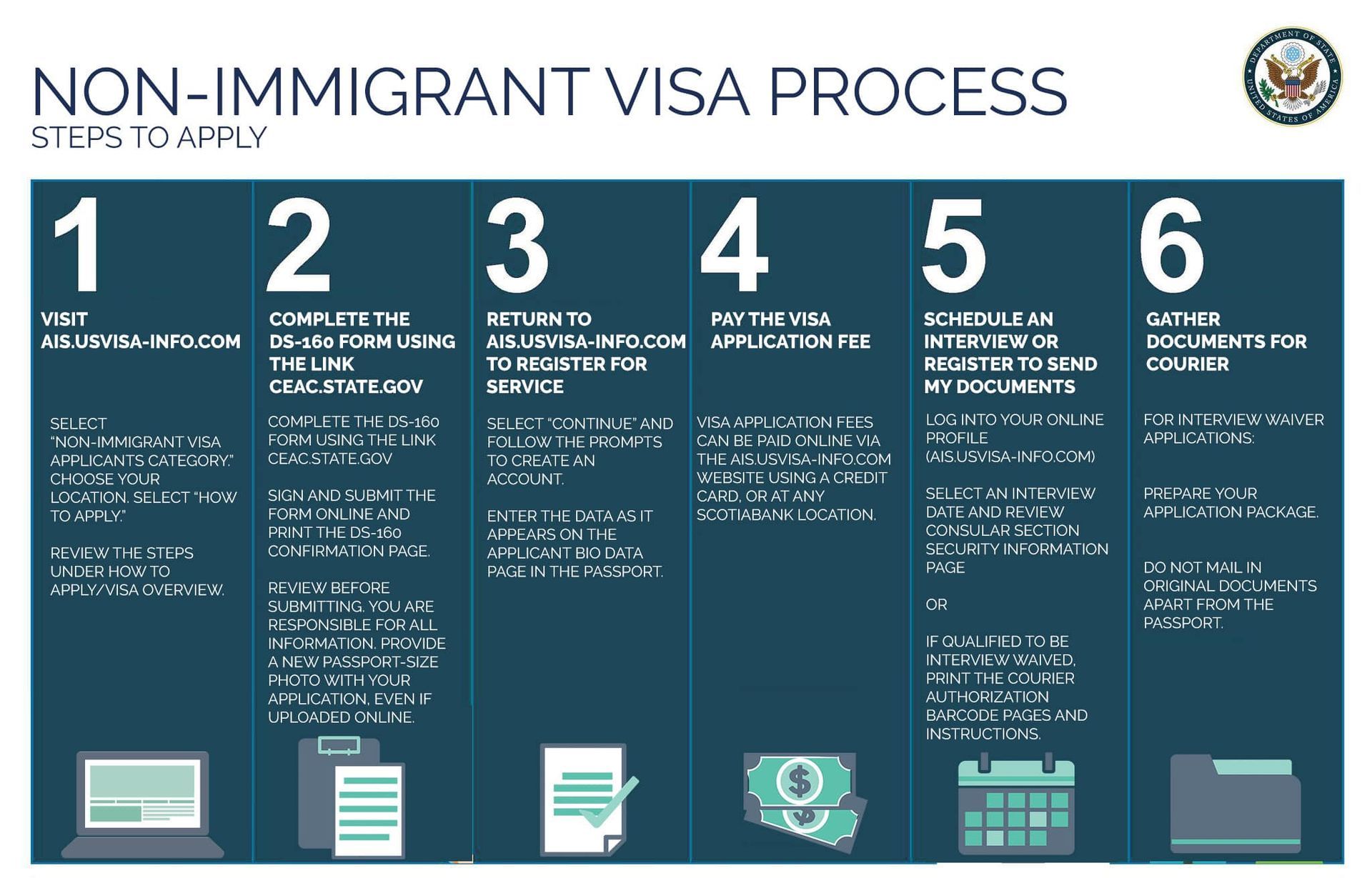
Immigration vs. Non-Immigration Visas
Understanding the distinction between immigration and non-immigration visas is essential:
- Immigration visas: These visas lead to permanent residency and allow individuals to stay in the U.S. indefinitely.
- Non-immigrant visas: These are temporary and do not grant permanent residency (e.g., student or tourist visas) (source).
Immigration Visa Requirements
Immigration Visa Requirements for Applicants
The USCIS green card application process involves completing several critical forms, each serving a vital purpose:
Primary Forms:
- Form I-130 (Petition for Alien Relative): Establishes the marriage relationship (source).
- Form I-485 (Adjustment of Status): For spouses in the U.S., it can often be filed at the same time as I-130 for citizens’ spouses (source).
- Form I-693 (Medical Examination Report): Required based on new rules effective from 2025 (source).
- Form I-864 (Affidavit of Support): Assures financial support for the entering spouse (source).
Required Documentation Checklist
A comprehensive checklist for required supporting documentation is essential for a smooth application process. Key documents include:
- Legal Marriage Certificate: Original or certified copy, translated if not in English (source).
- Evidence of Sponsoring Spouse's Status: Such as a U.S. passport, birth certificate, naturalization certificate, or green card.
- Foreign Spouse's Birth Certificate: Must have a certified translation.
- Valid Passport with Visa Stamps.
- Proof of Previous Marriages Ending Legally: Divorce decrees or death certificates.
- Proof of Lawful Entry: If in the U.S., I-94 or visa stamps.
- Police Certificates: From every country the foreign spouse has lived in (source).
- Joint Evidence: Such as joint bank accounts, leases, and photos.
- Financial Documentation: Including tax returns, pay stubs, and employment letters.
Guidance for Legal Help and Next Steps
Assistance from qualified professionals is invaluable during the USCIS green card application process. Seeking expert legal help helps navigate the complex landscape of immigration law and ensures compliance with documentation requirements.
If you require legal guidance, our guide Your Guide to Hiring the Best Immigration Lawyer in Columbus, Ohio can help you connect with experienced immigration professionals.
Finding Qualified Immigration Attorneys
When looking for legal assistance, consider the following:
- Seek attorneys with specific experience in spouse-based immigration cases.
- Review their success rates and client testimonials.
- Many attorneys offer free initial consultations, allowing for an assessment of individual circumstances.
Immediate Next Steps for Users
- Gather All Necessary Documentation: Start compiling the checklist listed earlier.
- Understand Current Processing Times: Check the USCIS website for the latest processing times relative to your local office.
- Consulting an Immigration Attorney: Before filing, a consultation can clarify questions and strengthen your case.
Conclusion
Understanding the USCIS green card application process is crucial for those seeking family-based immigration. This journey is not just about paperwork; it signifies the importance of family reunification and stability.
By understanding the specific visa categories and immigration requirements, applicants can make informed decisions while remaining aware of potential challenges ahead. If more guidance is needed, consider seeking legal assistance for specialized support.
For more information, explore the resources linked throughout this guide, and remember, you are not alone on this journey. Whether you are gathering documentation or preparing for interviews, the right help is available to ensure success.
Frequently Asked Questions
1. What documents do I need to apply for a spouse-based green card?
You'll need legal marriage certificates, proof of status, and joint evidence among others.
2. How long does the entire green card process take?
The total time may range from 10 to 24 months depending on individual circumstances.
3. Can I file Form I-130 and Form I-485 concurrently?
Yes, if you're the spouse of a U.S. citizen, you can often file these forms at the same time.
4. What if my spouse is not a U.S. citizen?
The same green card application processes apply, but you may need to go through consular processing if your spouse is outside the U.S.